

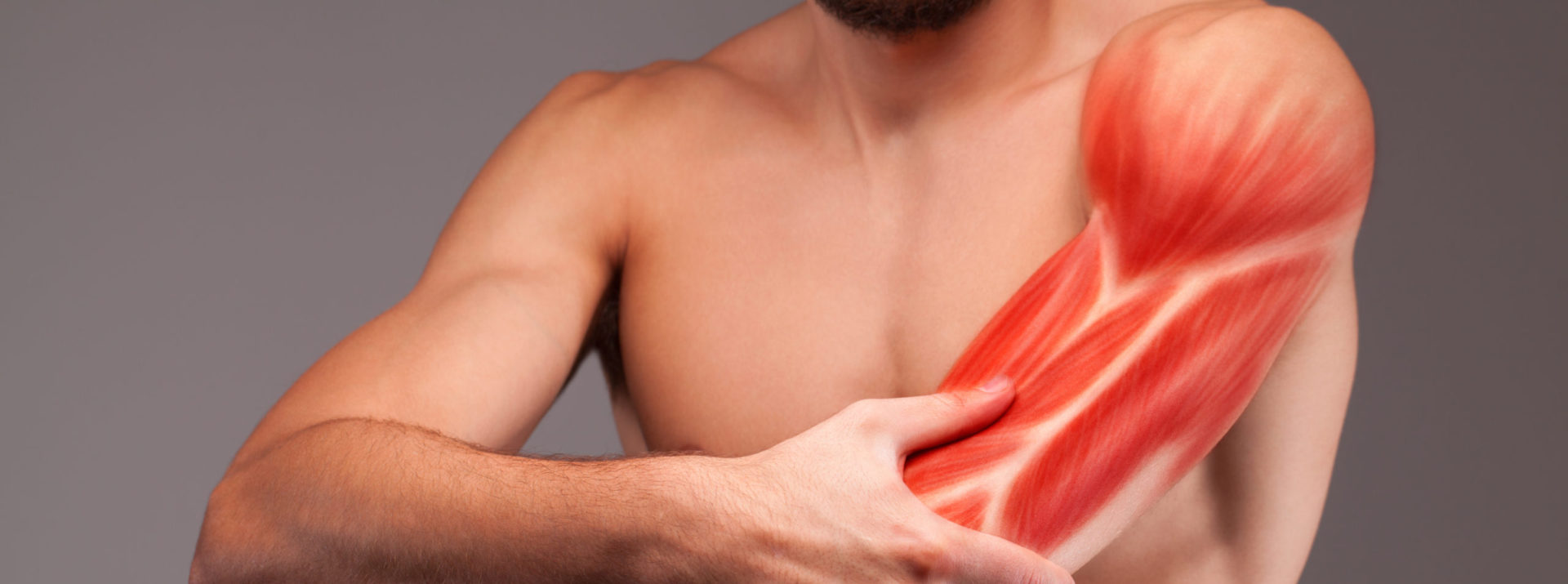

Physiotherapy
It’s what we do best — helping patients recover from injury, surgery, and chronic pain through a proven step-by-step plan.
Physiotherapy is provided by licensed Collingwood physiotherapist Nirali Patel PT. A physiotherapist Collingwood trusts.
It is a safe and evidence-based treatment option that combines hands-on manual therapy with targeted exercise, education, and modalities — restoring movement, strength, and function.
Everyone can benefit from physiotherapy's active approach to recovery without reliance on drugs, injections, or repeat surgery.
We see excellent results for post-surgical recovery, musculoskeletal injuries, and chronic pain — especially when active rehabilitation is part of the plan.
If you're looking for a physiotherapist in Collingwood, Muscle & Spine is your trusted choice. No referral needed. New patients welcome. Covered by most insurance plans.
Physio Experts in Collingwood
We have made it our focus to know post-surgical to everyday injury recovery. We love helping people regain mobility, relieve pain, and return to the life they love.
Read our hundreds of 5-star reviews online from patients we’ve helped to see how we can help you too. Book your appointment today to get started towards lasting relief.

 David BeattieApril 14, 2021
Trustindex verifies that the original source of the review is Google.
I have been very pleased with Adam's advice and treatment. By sticking with his program, my stiffness and back pain have been greatly relieved. Samuel BurrowsOctober 31, 2024Always a great experience going to Muscle and Spine. Their friendly and knowledgeable staff provide a comfortable and professional environment, with easy to follow treatment plans to help you get back to the activities you love!
 Lucille RempelJanuary 31, 2025To muscle and spine, I wish I would of heard about this place long time ago,he's good at his job,and Nikol is so helpful,she'll go out of her way to help you.Thank you so much.
 Mike MoffattNovember 29, 2022I can't even do justice to the incredible service, dedication and high standards that Muscle & Spine provides. Six months ago, I couldn't even get off the couch in the morning because my back pain was so severe. I called, and Nikol in reception got me in THAT morning for an assessment. I was in agony when I went in, and the wonderful energy and vibe of both Nikol at front desk and Dr. Mackenzie Gingrich set me at ease, even though it was hard to talk through the pain. I was scared to even see a chiropractor...thats how severe the pain was. Dr. Mackenzie assessed me and came up with some goals and the perfect light exercise regiment to do at home, and I noticed within just a handful of appointments, I started noticing huge improvements. I have a very complicated schedule (I go away to sea and work on ships) and Nikol is able to work around thar. She is an absolute gem of a person and a professional in the highest regard. And I don't even have words to express how much Dr. Gingrich has helped me in 6 short months. I went from not being able to get off the couch to busting out the weights and exercising again. I have him to thank for helping me get back to the quality of life and the confidence I had before my back injuries. He actually cares about his patients and he will tailor a program to suit your needs after his careful assessments. He is very methodical and will follow up on everything, always taking the care to find out if you are alight through the entire process. I highly, highly recommend this clinic to anyone in the area. Even if they fix your back, you'll want to keep going back in for the odd appointment here and there cause they are just fantastic people! If I could rate them 6 stars, I would. Thanks, Muscle & Spine! --Mike
 Miranda DonaldJune 19, 2026My experience with the whole team at Muscle and Spine has been stellar! Dr. Mack goes beyond providing expertise. He is like a coach who helps you achieve the results you want, along with support and resources to make those results sustainable. And Nikol, the practice manager, is professional, thoughtful and a ray of sunshine. 10/10 would recommend!
 Ed WestenbrinkApril 16, 2024Thank you muscle and spine for taking neck pain out of my life and getting me back in the fast lane!! Well done!! Very professionally run office, and from my first visit, Georgina and Nicole were very welcoming, positive and full of energy. Very rare to find amazing staff like this in this day and age. They are extremely helpful in moving appointments around to fit a busy work schedule and always have a smile on their face! Thank you!! As for the chiropractic treatment, Dr. Travis McCormack has been amazing in releiving pain and stiffness in my neck. He has fantastic bedside manner and is extremely professional and talented in his actions and treatment. The office is never running behind, and you never have to wait. Appointment times are very precise!! The office has an upscale feel to it, it is very clean and new looking. The positivity from the moment you arrive until you leave is outstanding. So helpful in the treatment process! Thanks to all of you at muscle and spine!! Give them a try, you won't be disappointed!!
 Amanda LePianeAugust 8, 2022I have had a very positive experience with Muscle & Spine. I initially sought them out due to a back injury and have had great results through my chiropractic sessions. Would highly recommend them!
 DrewShaw DavenportAugust 14, 2021Dr Adam and his staff are extremely friendly and professional. They always great you with a smile and ask about your day/week. Dr Adam is very knowledgeable and does a great job explaining what he is doing and what the outcome of the treatment will be. Highly recommended
 Ellen MistelbacherApril 18, 2022Excellent treatment. Very professional and friendly. Had several years of chronic pain, and saw lots of other professionals with minimal results. The treatment really worked for me. Thanks
 John ToddJune 30, 2021Dr Adam M Was very professional His office staff is very efficient The technology they use to keep organized is very convenient My knee extension improved tremendously Thank you
 Shane CoutureJanuary 17, 2023The Muscle and Spine Clinic is amazing. DR. G has whipped me back in shape. I could hard move when I went to see him and now move freely, without pain. I highly recommend them.
 Jassy SidhuMay 12, 2022I had hurt my back and reached out to Muscle and Spine. I was wary of going, but was in so much pain that it prevented me from doing day to day activities. Dr Mackenzie Gingrich was able to quickly assess and put together a treatment plan. He takes the time to listen and ask about your health goals and recommends appropriate action by way of exercises and stretches that will aid in a faster recovery. I’m happy to say I’m 95% better! Would highly recommend this place. In fact I’ve referred 3 people already, all of whom have had an amazing experience thus far. The entire staff is very friendly and professional. Thank you. Jassy
 William SuttonSeptember 9, 2021I first saw Adam for a lower back issue that previously I'd been told was a chronic Sciatic Nerve issue. Adam corrected the problem in one visit and provided exercises that have been very positive. I've also had reasons to visit for other muscle and joint pain issues which he has managed and minimized with treatment and exercises at home. Once he sent video exercise instructions for a pain issue while on a ski trip which corrected the problem . I'm very comfortable in recommending his services for anyone with similar issues . Bill Sutton
 Tania CraigMarch 10, 2023I recently moved to Collingwood from Toronto and was on the hunt for a local Chiropractor. I made an appointment after reading the many positive reviews for Muscle and Spine and those reviews did not disappoint! Under the care of Dr Gingerich, I have felt incredibly respected as a patient and person and appreciate the attention to detail and the personal care at each and every visit. I feel like I am the priority during each visit and I am always seen at my scheduled appointment time which means I can plan my work day accordingly. I would highly recommend Muscle & Spine and more specifically, Dr Gingerich!
 Kelly YoungJanuary 20, 2022Dr Martynuik and staff are always friendly and extremely professional, his knowledge of back pain is second to none. He has successfully helped with the worse pain I had ever been in before ⭐️ ⭐️⭐️⭐️⭐️
 Brent CartwrightFebruary 7, 2019Adam is one of the most knowledgeable people I have been to for treatment with my ever hurting body. As a person who lives to be active outside and in the gym, I have had many injuries that Adam has treated. His careful listening and diagnosis of the problem followed by his expertise and knowledge of treatment plans has kept me able to do what I love. Whether it be acupuncture, active release massage, joint adjustments, cupping, or anything else, Adam always puts the best plan in place and keeps me moving. I highly recommend his services.
 Chris WoodDecember 8, 2025Great people and experience at Muscle and Spine. Treatments and spinal decompression were extremely effective.
 Adam FairAugust 16, 2021I have been seeing Dr Adam Martynuik for several years now. The service that Adam and his team provide is second to none. They are very thorough with their treatments and keep you on path to achieving your goals. Highly recommended!
 Alyssa BoydApril 21, 2026I had a fantastic experience with Muscle and Spine. Nikol at the front desk was so welcoming and accommodating and Dr Gingrich was so helpful, explained and assessed everything so thoroughly and helped get be back to cycling in time for spring!
 Jackie RobinJuly 22, 2022I had shoulder surgery and had plateaued in my recovery. I was feeling fairly despondent when a friend referred me to Dr. Martynuik. I have been absolutely amazed at how his treatment has helped me and I feel almost at 100%! The whole team, including Nikol, are fabulous. I would highly recommend seeking treatment with this very smart and talented doctor!
 Catherine solnikJanuary 13, 2023The care at muscle and spine has far exceeded my expectations! Having an injury to my arm that was keeping me from continuing with my progress in exercise, caused a significant amount of concern. After only a few appointments with Dr. Gingerich, I realized I was in the right place. While continuing my care , we are now resolving another issue I struggled with for years . I’m so happy to have found out that it’s something we can work on together. Thank you to everyone at Muscle and Spine.
 Salil ThakurMarch 1, 2025I've had a great experience with Adam as my chiropractor. He is highly professional, attentive, and truly understands his patients' needs. His treatments have made a significant difference in my daily activities. I highly recommend him for chiropractic care. Additionally, Nikol has been exceptional with booking, ensuring everything runs smoothly and keeping me updated at all times. The entire process has been seamless. Highly recommend their services!
 Tricia BoettcherDecember 30, 2023I went to Muscle and Spine with mid-lower back pain and expected a quick "back crackin", but we discussed increasing back & hip flexibility as well. Dr McCormack created a program for me including easy exercises/stretches. I didn't realize how much impact improving my mobility would have on my overall well-being. Highly recommend 👌
 Mallory MerkAugust 17, 2024A great environment, people, and treatment! I’ve been very happy with the friendliness, organization, and chiropractic treatment from Muscle and Spine. I started going to Muscle and Spine to help with a work injury I had. I felt listened to when I explain where my pain was coming from and was very impressed with how fast the treatment worked. The app they have is user friendly and I love that you can book appointments online. The at home exercises are very helpful, easy to follow, and keep all the work the chiropractors did during the session in good shape. Comparing the fees to other chiropractic practices I’ve been to is very fair especially with all the attention to detail I’ve experienced during my sessions. Shout out to Mack (my chiropractor) for the great experience, the fantastic treatment, and our fun conversations! He is really good at understanding what you’re experiencing and your goals for your health, explaining the game plan to reach that goal, and taking notes to compare during the treatments. I find him very honest, comfortable, and very knowledgeable. From the front staff to the back, everyone is so helpful, friendly, and knowledgeable. I have nothing negative to say or anything I think they should change. Keep up the great work and I’m looking forward to continuing my recovery!
 Tami HaymanJanuary 10, 2025I’ve been going to muscle and spine for a year now. Dr Gingerich listens well a runs a very professional business. The staff are friendly and do their best to keep me on track with consistent appointments.
 daniel gagnonDecember 30, 2023Dr. Martynuik has been great with treating my back and the staff at muscle and spine are also top tier.
 Daniel HoffmanSeptember 2, 2022I have been going to Muscle & Spine for about 3 months now. Adam Martynuik has been a wonderful doctor and got me back up and running. He does a great job explaining the process and answering questions. Nikol at the front desk is absolutely lovely to work with. She always remembers me and is genuinely interested in the clients. I have observed this not just with myself but contact with others. She does a great job scheduling and following up.
 Gina RovakNovember 6, 2025I have to say Muscle & Spine have thee most amazing people. I have had so much support and care in the years I've been going to see them. Mack has been my go to guy and he has eliminated a lot of pain and stiffness before spinal surgery and has helped with recovery after. The Physio App is a huge help, you can work along with them which makes it much easier to do it correctly. With one more surgery to go I will definitely continue going their as I know they'll have my BACK. ;)
 Norm EbyJuly 28, 2023I get Osteopathic treatment for my back issues from Kaitlyn Hough, and the results have been great.
 Randi SzymkowiczFebruary 16, 2024I had a massage today with Kaitlyn which was outstanding! She found all my tight muscles while relaxing my body and my mind! All the staff were so helpful and kind. Next time I’m in Collingwood, I will definitely go back
 Lily JewerMarch 9, 2023Getting adjusted has saved me. So much pain has gone and I feel better every day
 Adam MacCabeAugust 23, 2021Came for an ongoing issue that others couldn't pinpoint. After initial treatment and ongoing routine care, I can say I've been issue free for over a year. Can't recommend highly enough
 sslongboardingprosNovember 22, 2023I came in with severe back pain (9/10) and Dr. McCormack assessed my injury. He quickly knew what the likely injury was and gave me amazing advice on how to recover. After our full treatment plan I am now at 0 pain and have returned to my daily activities. Also, the reception is amazing! They are very accommodating and leave you with a smile. I do highly recommend their services. - Selwyn
 Chris RonikierApril 21, 2021I highly recommend his services, Adam is great, highly skilled professional. I walked into his clinic with severe case of sciatic nerve and after 5 visits i feel like a new man. Thank you Adam for your help. Thank you Melissa for your lovely support :)
 Walter HornerJuly 16, 2024Excellent experience at Muscle and Spine! Georgia and Nikol greet you with a big smile and are very helpful! Dr. Mackenzie Gingerich assessed my re-injured lower back and provided a program plan with home video exercises and stretches. As a result my back and core is stronger and more flexible than before the injury. I am able to lift weights, cycle, bend and twist my back pain free. I highly recommend Dr Gingerich.
 Craig HaymanMay 3, 2023Muscle & Spine are very professional. Nikol is a joy to work with on booking and managing appointments. Dr. Gingrich is both a great doctor and is very fastidious. He really gets to know the issues and keeps track of them.
 Kymm BuckhamMay 29, 2025Dr. Mack is exceptional! His professionalism, depth of knowledge, and genuine commitment to health are evident in every interaction. It’s clear he takes health seriously—not just symptom management, but true recovery. I’m grateful to have access to such expertise here in Collingwood. Highly recommended.
 David SkinnerNovember 23, 2022Amazing Dr. I've had issues with my back for years and no other doctor could help with the pain. 1 month seeing them and I'm astronomically better!
 Nicole FennellNovember 25, 2024Nikol at the front desk is extremely pleasant and personable. She is also efficient in booking appointments. Dr. Mackenzie Gingerich has been awesome, he is friendly, very detail oriented, and knowledgeable. He takes the time to understand what the issue is and how to best address/treat it. He has helped me reach the goals we set, resulting in my ability to get back on track to the lifestyle I aim for. I am always leaving with a smile.
 BradJanuary 25, 2023
Trustindex verifies that the original source of the review is Trustindex.
The team at Muscle and Spine got me in quick. They worked with my schedule and I have been improving ever since. Virtually living pain free today! Todd ElsleyJanuary 7, 2025★★★★★ Five stars for the incredible team at Muscle and Spine! My experience here has been amazing, with noticeable results that have truly improved my everyday life. The staff is professional, knowledgeable, and genuinely cares about your well-being. I highly recommend coming here and have even encouraged my friends to visit. If you’re looking for effective, life-changing care, this is the place to go!”
 JulieAugust 23, 2021Great Chiropractor and lovely secretary! Extremely nice. Works on muscles as well as the spine. Gives exercises and great feedback. Great atmosphere all around.
 Jim SwainJuly 21, 2022From my initial intake and assessment through to my final treatment Dr. Gingrich provide professional and thorough care. I was provided with detailed information during and after treatment which enhanced my recovery. Nickol at the front desk was very friendly, welcoming and accommodating regarding scheduling of appointments. I recommend Muscle and Spine and Dr Gingerich specifically to anyone who requires chiropractic services. You will benefit from the care you receive.
 Victoria MarcheseMay 9, 2022Dr. Mackenzie Gingerich has been wonderful with my treatments! He is incredibly knowledgeable and takes the time to explain everything in detail. Great customer service and the appointment reminders are a great help keeping me organized and on schedule.
 AshleyNovember 17, 2023Been going since late September for a lower back injury (herniated disk) and sciatic issues. Wasn’t able to stand up straight and had unbearable pain! Over the last 6+ weeks they have helped me immensely! Able to walk properly and get back into my routine for the most part again! I’ll recommend them to anyone that is suffering from any type of back pain! The decompression table isn’t scary it also works wonders! Front desk staff is also pleasant to have a chat with!
 Jonas DelineApril 12, 2022Exceptional service, knowledgable and friendly staff and feeling 100% better after my treatments Waking up everyday in pain was getting really frustrating. After working with Dr. Gingerich I’m able to get back to my everyday life moving pain free and have been able to get back to exercise 6 days a week. Super impressed with the results and recommend to anyone with back pain to seek their help
 David ConnollyAugust 7, 2026These guys are the real deal. 8 weeks ago, I was completely jammed up in my neck. Now I’ve got full mobility. Super easy to deal with too. Book it people. Get fixed!
 Tiffany DunphySeptember 7, 2022Nikol and Dr. Mack, were amazing from the start. I booked in a pinch and had my consultation and first appointment within the same day. Throughout the process of healing they were both flexible and diligent which was absolutely great. I will be recommending and returning to Muscle and Spine within the future.
 ashley royJanuary 9, 2026I have been getting treatment with Dr. Mack for the past 8 weeks and cannot begin to express the relief I have felt from adjustments, home exercises and the overall knowledge he has provided me regarding my muscle pain. I was having migraines from neck pain 1-2 times daily now I am experiencing the odd headache here and there. Dr. Mack is very well informed and cares about his patients and their progress. He always makes the visits comfortable and easy. Nikol the receptionist is also very friendly and super communicative and understanding. This office is extremely accommodating in being able to set up all your appointments at once and providing you with a scheduled calendar and reminders of upcoming dates as well as making rescheduling your appointments stress free. Overall, I would highly recommend coming to this office for any muscular related pains especially booking with Dr. Mack!
 Sarah ElizabethDecember 2, 2015
recommendsTrustindex verifies that the original source of the review is Facebook.
Have seen Adam for multiple issues and he always gets to the root of the problem. I recommend him all the time as he doesn't do Bandaid solutions like others I have seen. Chelsea WallerAugust 11, 2021Amazing experience! Went in with a lower back injury and have made such amazing progress. Great team, super nice and professional! Highly recommend Muscle and Spine :)
 Alex SheenApril 30, 2021Great staff, helped me out immensely with my problem and got me sorted out. Recommended to anyone who needs to see a chiropractor.
 WarrenMay 14, 2021So glad I chose to try Muscle and Spine. Adam took the time to listen to my issues, and my goal of returning to an active lifestyle. He created a realistic plan to recovery and worked with me each step of the way. Melissa on the front desk is great at keeping me informed of appointments and is always cheerful and friendly. I highly recommend Muscle and Spine to anyone looking for a path to recovery. Thanks Adam for getting me ready to tee it up this summer!
 Steve AssaffOctober 24, 2021Adam is very good at what he does and is not your usual Chiropractor. Highly recommend him
 che taylorFebruary 26, 2026I’m a part time athlete. As a result I put a lot of strain on my body. I’ve struggled for years with a tight right side. The solution was always to strengthen which I did but it never fixed the issue. After seeing Adam, he agreed it was an area to strengthen but the initial miss was first to focus on deep tissue to get rid of old build and then start fresh with a focused mobility/strength plan. Point is - it worked. This aching pain for years is gone and I’m back running,
 Alexandra GoslettAugust 29, 2023I highly recommend Dr. Martynuik and his team. I’ve been a patient of his for about 15 years now and he is my number one call when it comes to pain relief. He is professional, knowledgeable and thorough. His assessments are accurate and his extensive program plan for healing extends beyond the clinic via easy to follow videos that help strengthen and expedite recovery. I’m always feeling better in no time after Active Release treatment. His office runs smoothly (and always on time) and his staff are highly efficient and friendly. Incredible service and results. Thank you 🙏🏻
 Steven EmmettOctober 16, 2023My experience at Muscle and Spine has been fantastic!!! I haven't felt this good in years!!!
 Suzanne BabeMay 24, 2024On behalf of my husband and I we want to thank Dr Gingerich for helping us through the healing process. I for my sciatica issue and tennis elbow issue for my husband. It's been wonderful to return to a pain free lifestyle not to mention a quality pain free sleep. The home exercises are very helpful and easy to follow. We also want to thank the front receptionists for they're friendly disposition and professionalism. Dr Gingerich is very knowledgeable and very easy to talk too.
 Catharine FrithJune 4, 2025I first met Dr. Mackenzie Gingerich and Nikol at the beginning of April of this year. The quality of service consistently exceeded my expectations. I was completely impressed with how dedicated Dr. Mackenzie Gingerich (Dr. Mac) was to help me improve my quality of life. He not only helped me with my pain but he also provided me with the right tools to assist me so that I could maintain and continue to lead an active life. I was also so impressed with Nikol and how pleasant it was to deal with her. She is so patient and kind and she always has a smile on her face. I would HIGHLY' recommend Muscle & Spine.
 Blaine BellAugust 31, 2021Care was beyond expectations. I came in with a back problem that was not responding to regular treatment. Right from the first visit I started responding to treatment and am now fully recovered.
 AimeeNovember 22, 2024I’ve had an amazing experience at Muscle and Spine! Nikol is super great, and makes the whole booking process super easy. Dr. Mack has been very accommodating to my needs, and was able to adjust the program for me as my needs changed throughout. I feel so much better about where I’m at today compared to 2 months ago, and will continue to keep up with the home exercises they send! 10 out of 10!🌟🙌
 Steve BMay 5, 2022Dr Gengrich fixed me up so I can get back to the long list of things my wife has for me to do!!!
 Chris JohnsonJune 4, 2021I have been seeing Adam for years. I've got a lot of injuries and spend way too much time hunched over a comptuter at a desk. Adam's goal everytime is to get you feeling and moving better with as few visits as possible. His goal is to get you onto a path of self healing with exercises and stretching you can do on your own. I've referred several friends who have all had great success working with Adam. I can't say enough good things.
 Gianni GimpoliDecember 12, 2023Great clinic and treatment plan! Staff have been pleasant and conscientious throughout my experience.
 Jaime HuggettAugust 14, 2025Dr Mack Gingerich is knowledgeable, friendly and comfortable to work with. I find the mix of hands on treatment & spinal decompression has helped stabilize my lower back pain so that I can do more before a flare up and when I do push it I recover faster. I have reduced my use of anti-inflammatory drugs and find my daily activities much more manageable. I also liked the free app they provided where he adds stretching & exercises specific to my needs. The videos are very detailed and allow for adaptions based on how I’m feeling that day. I highly recommend for anyone dealing with acute or chronic back pain!
 Tristan BooteApril 22, 2025If I could give 10 Stars high definitely would. My visits with Dr. Gingerich have significantly improved my overall quality of life. I would highly recommend Muscle and Spine if you are looking for a chiropractor. They are very flexible and beyond easy to navigate appointments around a busy life schedule. Thank you for everything!
 M DApril 17, 2023I have been getting treatments from Adam. I am very please with the result, he sends personal plan and exercises that I should follow in between appointments. His instructions and directions are clear. I can sleep well at night now without waking up due to the pain. Highly recommended.
 Tom SudakSeptember 2, 2021Went to see Doctor Gingerich with back pain 8 out of 10. Three days after treatment down to level 2. Excellent follow up and treatment plan. Very thorough. I predict I will be completely pain free after a few more treatments.
 Mark KodousekAugust 3, 2026Over the past three years, I’ve had an excellent experience with Dr. Mack at Muscle & Spine. When age-related arthritis began affecting my back, it became harder for me to stay active, and I wanted chiropractic care that offered more than quick adjustments. At Muscle & Spine, I received not only effective treatments but also a daily program to help heal and strengthen my back. I followed the program diligently and continue to use it today as a foundation while expanding my routine with YouTube resources such as Qigong, Yoga, Body Mobility, and Cardio. Today, I feel ready for a day of skiing, hiking, gardening, or carrying a canoe on a long portage. I highly recommend Muscle & Spine to anyone looking for knowledgeable, supportive, and effective chiropractic care. Thank you, Dr. Mack, and thank you, Nikol!
 Cassy WilsonSeptember 16, 2021When I first went to Muscle and Spine to see Dr Adam Martynuik, I was in intense pain. I had been dealing with shoulder pain for a very long time and had tried a bunch of different paths to find path relief. I was literally laying in bed in tears because of how much pain I was in that night when I stumbled across this practice. I booked an appointment online and was able to get in immediately. Over the last month and a bit, I have had so much progress with Dr Martynuik's aide, which I hadn't been able to achieve in years. I highly recommend this place. Melissa at the front desk is also amazing and super friendly. I enjoy talking to her while I wait to get in.
 Karen VanderbrugJanuary 27, 2023Mackenzie helped me through a tough situation with spinal decompression treatment. Thanks for getting back to action!
 Ruan MynhardtNovember 9, 2023Great program structure and focus to help resolve back issues.
 Cathy EltonJuly 20, 2023I am very pleased with the service provided by the Muscle and Spine team. I highly recommend Dr. Gingerich; he demonstrates clinical expertise and very comfortable, friendly, client centered care.
 Nadia VJune 2, 2024I just wanted to share my experience at Muscle and Spine, from the moment you walk in your greeted with 2 ladies that are so accommodating and helpful. I made an appointment with Kaitlyn based on a friend saying they had such great success. The girls were diligent trying to find an appointment closer to when I called because Kaitlyn is so booked up. Upon meeting Kaitlyn I went on to explain I’ve been dealing with this pain in my lower back and hips for quite some time. Kaitlyn went into a treatment and stretching plan. Her empathy and kindness shows through every time I meet with her. Kaitlyn has a true love of helping people. When Kaitlyn sent me my exercise plan which I might add is in an app format (with a timer no less) I was completely blown away. The owner of this business has definitely shown a lot of care and has carried over to his team. This team is amazing I can’t say enough great things
 Amanda FranceNovember 30, 2023I had osteopath and massage therapy treatments with Kaitlyn Hough to treat my back and neck pain and range of motion limitations. Kaitlyn and the reception team are friendly and knowledgeable, and the treatments have significantly improved my pain concerns. I always feel better every time I walk out of there, and the prescribed stretches have been great with maintenance in between visits. I highly recommend Kaitlyn, as she has been great to work with during my treatment plan. Thanks Kaitlyn for fixing me up! Really happy with the service at Muscle and Spine!
 Sandra TomassiNovember 13, 2023Dr. Mackenzie Gingerich has been incredibly helpful with my hip issue pain. He is very informative and thorough. His program plan includes home video exercises and stretches. Which are easy to follow. There has been incredible improvement with my hip. He has made a world of difference for me. Georgia and Nikol are also so helpful and welcoming. I definitely recommend Muscle and Spine!
 Kirsty FowlerJune 14, 2021When I went in to see Dr. Martynuik I was having all sorts of issues with losing feeling in my right arm/neck, impacting my sleep and day to day activities. The assessment was fast and efficient and within no time he had me all sorted out pain free all full sensation in my arm and neck. Thanks!
 Monty RichardsonNovember 10, 2021Fixed a back and hip problem that was keeping me awake. This has been an ongoing problem Excellent results
 Rob KnowlesNovember 18, 2020Adam is a rock star who has worked with me on a couple ailments over the past year and a half. I initially started seeing him when he had an office in our gym. I had developed numbness in the fingers of my left hand which turned out to be carpal tunnel syndrome. Adam's quick identification of the issue led to effective treatment by him which has resulted in full feeling returning to my hand. More recently, over the past month a strong and sudden sneeze had me strain some soft tissue around my ribs. A few visits to Adam over the past few weeks has me feeling 100% again. I highly recommend him!
 matthew weisbrodJune 11, 2025Great office Very professional Well run Excellent care , with great attention to detail The treatment are well planned with excellent follow up and highly successful Mac has done wonders for my back and I highly recommend giving him a trial And following his advice Dr Weisbrod
 Dean TaylorNovember 30, 2015I have been using Adam for the last couple of years. He applies Active Release Technique, which has been instrumental in relieving muscle tightness and pain in my sports injuries. Happy with the new location which is my home fitness club and which is warmer and more inviting than the previous location. Happy to recommend Adam.
 Jenn GoodallSeptember 28, 2026Emily is incredible at her craft! I came in with pain in my lower back, a chronically sore shoulder and held all my stress through my neck. I was constantly in pain. After just a couple months of treatments I’m almost at 100% and no pain! I highly recommend Muscle & Spine.
 Jonathan P MerglerMarch 20, 2025Mack has helped me immeasurably with my back issues, which were significant. He is knowledgeable, professional, cordial and punctual, and I recommend him highly.
 zalina harriramJuly 17, 2026Nikol is so awesome, and the RMT is the best. Their acceptional knowledge and care they provide to their patients is a real life changer! 100% recommend!
 Jenn WilkinsApril 30, 2025I have really found a huge improvement in my mobility in my shoulder and am so thankful Muscle and Spine can keep me active and on the pickelball court 5 days a week ! Thanks Adam Martynuik
 mardi huelsekopfApril 17, 2025Last year I was diagnosed with spinal stenosis which severely impaired my ability to walk and stand out being in a lot of pain. I had shooting pains and numbness in my leg from the nerve being pinched in my spine. I started working with Adam last October. The goal was to help me get back to being able to do regular activities and being able to walk my dogs. Adam worked with me using chiropractic therapies and spinal decompression, combined with home exercise exercises and stretching routines. Today, I can walk and stand as I used to without any pain or numbness. I highly recommend Adam.
 Victoria GiangrandeAugust 30, 2021Adam was great at keeping me active during my pregnancy! He gave me great exercise I could do at home to continue to see results along with the treatments
 Valerie StaceyApril 19, 2024I was experiencing very severe mid to low back pain. From the moment I booked to the actual treatment I felt completely heard and immediately felt relief. I was given a thorough explanation with a plan going forward. I will refer everyone I know to this clinic and especially Dr. Gingerich who is an amazing chiropractor. Highly recommend this clinic.
 Amber WhiteSeptember 3, 2024Very accommodating, loving the progress. Keep up the great work
 NickFebruary 25, 2022I have visited Dr. Martynuik for a few different problems over the past five years. Everytime I have received a detailed diagnosis followed by a tailored treatment plan. He explains how he would like me to progress and sets a specific target window. He's not the type of chiropractor to just make you visit weather you need it or not. He identifies the problem and works you toward a solution. I doubt l could be where I am today without him, so for that I'll be forever grateful.
 Luke William McMillanDecember 1, 2015Adam is super intelligent and truly cares about his clients progression towards being pain free. Adam has helped me tremendously with my personal mechanical issues that have accumulated over the years. I highly recommend to anyone seeking a chiropractor to utilize his services.
 Michael JasnichMarch 2, 2023Without Adam’s treatment over the past five years I wouldn’t be able to work at my trade!
 Carolyn BinnsDecember 9, 2025The team at Muscle and Spine have been fantastic. On my first appointment with Adam , he was thorough with an assessment and his treatment plan has been spot on. Nikol at the front desk is very professional, extremely pleasant and welcoming. I would highly recommend Muscle and Spine for any of your aches and pains.
 Gary HansfordMay 6, 2021Great work on back problems that had been on going. Need to keep exercising to maintain stable condition. Hands on experience worked great.
 Dom ParadisOctober 16, 2020I've had about 10 treatments with Adam, he treated a back issue i had been carrying for a few years and worked wonders. In this short time period he managed to reduce the pain by upwards of 80%. Thanks Adam for giving me some flexibility again
 C HansonJune 19, 2025Thoroughly impressed with my experience here! Attentive to my individual circumstances and provided a tailored treatment plan to match my needs. Friendly, honest and client focused!
 melissa macmurchyNovember 30, 2022I can't thank Muscle & Spine enough! I'm living virtually pain free with excellent range of motion and improved quality of life. Dr.Gingerich is very knowledgeable and provides exceptional treatment. Not to mention Nikol at reception is fantastic at her job and is so welcoming!
 Ralph kotheOctober 11, 2023Dr Mack has been a great help with my back issues. He and his staff have been great to work with.
 Stan HApril 3, 2021I've seen Adam for some treatments for low back pain for the last month. After the assessment i was surprised by some of the findings and the at home work i needed to do. I have kept up my end by doing the work and he has done his treatments. Things are much better now. Waking up now with very little back pain is a welcome change. It continues to get better. I believe his multidisplined approach (kinesiology and chiropractic) is key. Thank you for all your help Adam and Melissa. Stan.
 James leighOctober 29, 2025Nikole and Adam are great ! I could barely walk or bend over at my first visit. After a properly scheduled regiment of Hands-on treatments and the decompression table I’m back to the things I love to do. Thank you to the muscle and spine team.
 Rebecca KnaggsOctober 13, 2022The Muscle and Spine team are the best. I came here looking for help with headaches and after 2 months of seeing Dr G, I saw such an incredible improvement
 Wayne BrushApril 19, 2022Adam and his staff are very professional and well organized. Adam has always been extremely accurate in his diagnoses and the treatment programs have consistently produced positive results. I highly recommend Muscle and Spine.
 Ashley LittleMay 23, 2023Very professional all around great staff. 10/10 would recommend
 Josh WhiteAugust 20, 2021I highly recommend checking out this place. My neck and glutes were giving me so much trouble before I came for an appointment. Melissa was such a great help at front desk getting me setup with a schedule, and Dr Adam has given me so many great excercises to do on my own time to help me continue to heal. I always feel amazing after my adjustments. I am feeling much better.
 Sarah DavieMay 27, 2021I've been seeing Dr Adam any time I've had an issue for more than 5 years. I've referred people as well. I've never had anyone better at getting straight to the root issue. I always walk away with more knowledge and improvement on the issue I came in for
 Samantha CameronJanuary 15, 2024I’ve attended Muscle & Spine for chiropractic services and I’ve been more than pleased with the service and outcome from when I first started treatment.
 Erick DykstraSeptember 4, 2024I have had a great experience at Muscle and Spine. From beginning to end, my appointments have always been enjoyable and comfortable. Georgia and Nikol are always welcoming and help me with appointment scheduling, they send appointment reminders and will call to make sure you are on time to your appointment. I have been seeing McKenna for back and shoulder massages. She makes sure that I am comfortable during treatment, and always answers any questions I may have about the work she is doing or the exercises for at home. Muscle and Spine also uses an app to assist with at-home exercises, it is a great tool with detailed videos explaining exactly what you need to do. Big thank you to all the staff!
 Kyle KruegerDecember 13, 2024Always looking out for what's best for you & can explain exactly what's going on with the best ways to help correct it. Dr. Gingerich great!
 Matt KofoedApril 27, 2023Came to Muscle and Spine for help with my lower back after lifting something stupid at home and a few other nagging issues that I thought I may just have to live with. After a few sessions, I’m fixed. Awesome results!
 Graham MonahanOctober 29, 2025I’ve had a great experience at Muscle and Spine in Collingwood. The staff are incredibly kind, supportive, and always take the time to make sure you’re comfortable and understand your treatment. Since starting care here, I’ve noticed a real improvement in my mobility and a reduction in pain. I’m able to move and go about my days much more easily now. I’d highly recommend Muscle and Spine to anyone looking for professional and genuinely caring treatment.
 Susan GageJuly 22, 2024Wonderful people. Very thorough care. Nikol and Georgia at the front desk are lovely. I see both massage (Kaitlyn) and Mac (chiro). Both are fantastic and have changed my life. A decades long back issue is in control now.
 Wade RobinsonMay 12, 2021"I have been treated by Adam many times for multiple reasons from back and shoulder pain to a torn ligament. I have never been to a more knowledgeable person that tried to get to the root of my problems. I 100% recommend Adam."
 Adrian SembayJune 25, 2024Full team at Muscle and Spine are great. Great approach to the care required and easy to make and change appointments.
 DanSeptember 11, 2024Wonderful staff, great environment. Headaches I've had for years are now gone.
 Jeff&Ali ReidMay 5, 2021Muscle and Spine provides an exceptional experience from start to finish. Adam is thorough in his assessments, diagnosis and treatment. The treatments are personalized and comprehensive. I have made more progress with Adam than I ever expected in such a short period of time. I have been struggling with a chronic shoulder issue, and after seeking out a number of various treatments/practitioners, I truly wasn't sure I would ever make much progress with pain/strength or range of motion. I am so happy with the progress I have made since starting treatments with Adam. I also want to acknowledge the exceptional customer experience. You can expect to be in and out of your appointment on time. The booking/reminder system is seamless and Adam and Melissa are both friendly, approachable and professional.
 Kate KMay 17, 2021Recommend to anyone who has issues with headaches or lower back pain. My headaches were constant probably every day and now I hardly have any. Can participate in activities with my friends again without major pain!
 Jaeden FrenchJune 28, 2022I had Dr. Gingerich at muscle and spine and he was great. Super great guy and he is really good at what he does, would recommend him to anyone having back problems. Nikol at the front desk is a super too, great place with tons of nice people.
 Jonathan BentleyOctober 5, 2023I found Muscle and Spine during a time of extreme neck pain. Dr. Martynuik saw me the same day and made an immediate improvement. I got back to 100% after a number of visits and am happily continuing treatment for other chronic issues. Friendly front office, great use of technology and easy to follow exercises are all a bonus!
 David HalliwellNovember 7, 2023Fantastic experience at Muscle and Spine! From the ever friendly Nikol at reception to Dr. Mack’s expertise at helping me with my physical issues I would highly recommend this facility to anyone.
 hugh simpsonFebruary 20, 2024well--organized , professional, knowledgeable and effective
 Jennie FornasierDecember 30, 2025From Nikol at the front desk to Dr. Mack fixing my back. Highly recommend. They're accommodating, friendly and care for the long term not the short term fix.
 Angela StephensonOctober 5, 2026Great experience at Muscle & Spine! The staff are friendly, knowledgeable, and really take the time to listen. The care is personalized, and I always feel well taken care of. Highly recommend!
 Mike WheatcroftFebruary 10, 2023That ahhhhhh feeling Whether its for body pain or stress. After a session with Dr. Adam Martynuik. A few extra deep breaths. Standing up and feeling the energy come back to my body. Standing up tall, feeling the smile across my face. It's that ahhhhhhhh feeling. I just love it. Its hard to describe. But it happens regularly after a session. Ahhhhhhhhhhh. So good.
 Brian AmbaganJanuary 14, 2026I’m glad that i chose Muscle and Spine for my treatment. I was suffering from neck and arm issues and they helped me to become pain free. I would like to thank and acknowledge Dr. Mack for helping me to get through the process of getting the treatment that I needed for my daily life. They even have a aftercare program to help patients get the most benefits of their care like sending personal video messages to me via email after your consultation they even have an app to download so you can watch videos of what exercises and stretching they needed for you to do, and shoutout to Nikol at front desk who always greet you with a smile! Highly recommended!! Thank you.
 Rob KJune 11, 2021I highly recommend Muscle & Spine. Dr. Martynuik undertook a thorough assessment to identify the root cause of my discomfort and reduced mobility and developed a treatment plan to provide relief and avoid recurrence. Active release, soft tissue massage, adjustments and assigned exercises have been combined to improve my mobility and reduce acute incidents.
 Matthew GriggsSeptember 29, 2022Muscle and Spine has been my go-to place to help with any physical ailment I have had since their inception! Whether it was Adam or Mackenzie, my experience has been top notch. I couldn’t recommend their services enough!
 Michael KarmazynSeptember 11, 2026I was in a car accident a few years ago and since then I have had hip and upper inner thigh issues. I had a very bad flare up and several issues occurring at the same time. My right hip was locking up and sore, I had plantar fasciitis on my right foot, and had some muscle issues in the upper inner thigh area. I was unable to golf, hike, or go to the gym. Emilie was fantastic! She has knowledge and was able to release and relieve muscles that no other massage therapist was able to do. After a few treatments I was back doing my regular activities. Nikol is great as well and always accommodates my schedule for appointments.
 Heidi LemanczykAugust 18, 2021Dr. Martynuik is incredibly knowledgeable, well versed in his practice, and cares about the well-being of his patients. I have been a patient for several years now, recently for shoulder pain. The care and attention he has shown explaining the cause of my pain, weekly treatments, and exercise program was exceptional. My shoulder has improved significantly, I feel stronger, have full range of movement and I have no pain!
 Bryan WeinbergMay 15, 2023This is an absolutely fabulous clinic! Dr. G did wonders for my shoulder and got me back in the gym sooner than expected!
 Shelly TrippJuly 23, 2024Great experience. Professional, communicative and , lots of great at home care solutions to participate in my own progress. Dr. Gingerisch was the perfect balance between efficient, effective and kind.
 Dan GriffinJuly 6, 2023Incredible staff and great treatment. Wouldn't hesitate referring anyone to go to to Muscle and Spine
 Jared TApril 30, 2026Came into Muscle and Spine off a referral from a coworker. Dr. Martynuik within 10 minutes of assessing me had my diagnosis and a plan of attack set out that was discussed with me in depth. The timeline he set out for me was spot on and the treatment he provided was amazing. He also gives home exercises specific to your needs with video instructions that are easy to follow. Nikol is also amazing. Very personable and always making sure you’re ready for your next appointment with lots of reminders. 10/10 recommend Muscle and Spine to anyone.
 Ell CAugust 26, 2024Dr. McCormack is so knowledgeable and professional. He worked on my neck problem and had it 100 percent better within 2 months! Highly recommend ! Also the ladies at the front are so kind and accommodating for my hectic schedule !
 Trevor H.July 22, 2026This place has been great! I was in considerable pain, unable to stand for longer than a few seconds without severe pain, on my first visit. A couple sessions later, I was almost back to normal. Very welcoming and caring staff, who know you by name. All around great experience. I highly recommend it!
 Wesley St AmandFebruary 13, 2024Absolutely love working with muscle and spine team. After a skiing injury Dr. Gingerich has help me a lot and I will continue doing my monthly appointments. Georgia and Nikol are also great and very accommodating! Thank you M and S team for helping me out!
 Simcoe 94August 3, 2024Very kind and clean place -
 Mike GabrieleNovember 2, 2023The Muscle and Spine team are amazing! Very friendly, accommodating and most importantly excellent at what they do. I would highly recommend Dr Gingerich.
 Paul BauerApril 15, 2024Excellent service and care, I highly recommend!
 susan snookApril 14, 2025I have nothing but positive things to say about Muscle and Spine. Dr. Mack Gingerich has really helped me with my lower back pain. This practice is very professional and welcoming. I would highly recommend!!!
 Cassie BrownSeptember 28, 2021I cant say enough good things about Dr. Adam, he's been so patient and informative and caring! Over the last few months he's helped me get back to a place of comfort and out of pain and numbness. He's progressed me with his treatments as well as a specific set of exercises in-between treatments individualized to me and without him I would not be where I am now. My routine maintenance and continued progress will be with and because of him. I'm very thankful I found him. - Cass
 Leah ParkesJuly 13, 2025Dr. Gingerich provides outstanding care. My shoulder feels so much more stable than it did before starting treatment. The combination of hands-on adjustments and targeted exercises has made a real difference. I'm gaining strength and feeling more confident in my movement every day. Dr. Gingerich is professional, knowledgeable, and genuinely focused on long-term results. Highly recommended!
 Craig McCabeJuly 23, 2024Front staff is friendly and very helpful. Kaitlyn Hough was my therapist. She was very professional and I am very happy with my results. I would hightly recommend the office and Kaitlyn.
 Ray BrandtMarch 8, 2023Exceptional Team. From the very beginning, the service has been impeccable from Nikol and Dr Gingerich. Dr Gingerich has been fantastic in helping to treat my issue and put together an exercise plan to help ensure it stays corrected. Really Great Work Team Muscle and Spine!!!
 Kate BoyntonOctober 7, 2025Dr. Gingerich and his practice have been a truly wonderful find! Chronic pain from arthritis is sometimes not easily managed but the dedication and thoroughness of my sessions with Muscle & Spine, my pain is now managed, understood and less invasive. I highly recommend this clinic and the outstanding and caring staff!
 Megan FerriJune 6, 2025I've been going to muscle and spine for about a year now and I have never felt better. After trying every other treatment under the sun, Dr. Gingerich really helped me get back to my best. He's very professional, caring and really listens. I I would highly recommend muscle and spine to anyone looking for a chiropractor. Also would like to mention, Nikol at reception is wonderful, super kind and amazing at making sure appointments work within your schedule with ease!
 John HutchisonMarch 22, 2022I have been a patient of Dr Adam Martinique for some time now. I have always been impressed with the professionalism that I experience from Adam and Nikol. My back issues have all but disappeared and we are making good progress on my hip issues. I would and do recommend Muscle and Spine to anyone needing treatment. John
 Sarah McVeyMay 30, 2025Great first experience today with Dr. Gingerich. Nikol is also so lovely to deal with upon checking in and out. Excellent !
 Dan CurrantNovember 9, 2021Adam’s knowledge and dedication to his patients is second to none. Having neck and back surgery had limited me in life and then I started getting treatments with Adam and I can honestly say it has changed my life!! Thank you Adam
 Roy EllisJanuary 2, 2026Great experience all around. Punctual, polite, professional and very talented. Plan to get back on the Lynx soon after repairing a fiesty torn rotator cuff. My thanks go out to Dr. Martynuik and Nikol. Cheers Roy
 Chris WallNovember 4, 2022Always runs on time, and has a myofascial release component, does not rely on simply making "adjustments". Pleased with results, and quality on treatment.
 Kurt StaffordJuly 20, 2021I've been going to Adam for years. He will get to the root of any muscle related issue to promote proper healing, and educate you along the way.
 Kevin KingsburyMarch 8, 2024Results oriented approach that resolved a long standing shoulder impingement. Well run clinic with appointments always starting on time, a friendly team, and effective at home exercise videos delivered by an app. Thank you Dr. Martynuik and the Muscle and Spine team!
 Susan Hayward-BishopNovember 18, 2024I went to Dr Adam with an extremely sore lower back and was basically unable to function normally. Within a few appointments I was back to normal and felt better than I have for years. He really takes the time to listen, assess and then execute a detail plan. I enjoy the personalized video exercises for me to do at home. Nikol is amazing and helpful and she always greets you with a smile. I highly recommend Dr. Adam and the team at Muscle and Spine.
 Will SchillerJuly 20, 2022Awesome experience working with the team at Muscle and Spine! Everyone was incredible and I started feeling better after the second visit. Highly recommended!
 Mark StovelApril 10, 2024I recently started with Dr McCormack and I’ve really enjoyed being treated by him. He’s attentive and has tried to understand my unique situation. I highly recommend Spine and Muscle.
 Judy PieriasJune 17, 2024I really appreciate everything that Dr. Martynuik has done to help me resolve my back and sciatica issues. He devised a personalized treatment plan that included in clinic treatment and an at home program. The front desk team Nikol & Georgia are the best! They work really hard to make sure that they are able to accommodate you with appointment planning. A very professional and well run clinic and I highly recommend!
 Chantel NimigeonJanuary 30, 2023This place is AMAZING! Can't say enough good things about this place! The staff is incredible and super friendly! Nikol is AMAZING at her job!! Dr G is also AMAZING, really takes his time to assess, listen to you as well as give you at home exercises to do! Highly recommend checking these guys out, you won't be disappointed! :)
 Bill DickersonJuly 28, 2021Being new to Collingwood I asked around for references and went to see Dr. Adam at Muscle and Spine. His initial examination was the most thorough I have had. He zeroed in on my issues and his treatment has made a huge difference in what I am able to do. His staff are always a pleasure to deal with. I highly recommend him!
 Mack HillNovember 2, 2022Nikol working the front desk is amazing at her job, always making sure appointments fit my schedule and giving a reminder of upcoming appointments. Adam is also amazing I started see Adam 10 weeks ago when I could barely walk, now I'm running and bicycling around like my pelvis was never out of alignment. Cant say anything short of a miracle or heavenly if you live with pain don't live with it, go see Nikol and Adam at Muscle and spine!
 alex MoncayoFebruary 2, 2024Had a really great experience working with Dr. Gingerich. Originally I was looking to simply fix some aches and pains I was getting from working a desk job. After a few weeks of treatments and exercises that I was given, my aches and pains were gone and I feel confident knowing I’m avoiding future issues for my back and neck by building better habits we put in place. The exercises also helped me notably increase mobility and I had a subtle neck twitch that actually just went away with a few weeks of deep tissue treatments.. The team at front reception are amazing. All around just a great experience!
 Joseph NortonSeptember 8, 2023Went from a very limited range of motion in my neck with pain /headaches to pain free and mobility like when I was a teenager!
 Patty WatsonApril 24, 2021I absolutely recommend Muscle & Spine. Adam is highly skilled in diagnosing and treating back issues. His skill with ART is exceptional and has helped me tremendously. I am looking forward to getting back to golf and skiing with out issue. The clinic is efficient and welcoming in all aspects.
 Janet WhiteMay 6, 2021I came to Adam with a couple of ailments resulting from working from home during Covid. Adam’s treatments have alleviated my symptoms and I am pain free again, and have better mobility. I am very thankful to have found Adam. Melissa is such a pleasant and cheerful person as well.
 Alix MarshmanJanuary 3, 2025Everyone at muscle and spine is so amazing! I’ve been visiting the clinic for chiropractic care for a few months now and it has been such a wonderful experience
 john hallOctober 19, 2023My treatments alleviated my pain and restored flexibility in my hips. Dr. Martyniuk and his staff are fantastic and very friendly. I am very happy with my experience.
 Karen Walker KitchenerNovember 28, 2023I love the team at Muscle and Spine. I saw Osteopath Kaitlyn Hough. She is knowledgeable and her treatments resolved the issue I was having. I love the PhysiApp home excercises, so easy to use - each has a video with explanation. Front desk staff Nikol and Georgia are welcoming and professional. They are always willing to work with my schedule and text reminders.
 Michael DoyleOctober 25, 2022Competent professionals with a positive game plan and measurable results for the client.A friendly happy environment starting at reception and on from there.Highly recommended!
 Barb ThompsonNovember 5, 2021Dr Adam Martynuik has helped me more than once to get mobile and eliminate pain. This last set of appointments were to strengthen leg muscles after breaking a bone. He is very effective with his treatments and takes the time to listen snd respond to meet your needs. I highly recommend him to all in need of healing!
 Sherry RiouxDecember 4, 2024Had never been to chiro before but when struck with severe back pain from sciatica I decided to give it a try. From the moment I was greeted at reception by Nikol to the expert treatment I received from Dr Mac, I was impressed by the quality and compassion. Highly recommend their services.
 Kim PickettSeptember 13, 2024Muscle and Spine is fantastic, McKenna Hall is professional and courteous. My range of mobility has improved immensely with her targeted treatment plan and home exercises she recommended. I highly recommend!
 Cwood ReviewsNovember 28, 2023Exceptional team and service. Highly recommend.
 braeden neilSeptember 12, 2024All staff members I have dealt with are fantastic. Dr. Gingerich is fantastic at what he does and the office staff match that quality. Highly recommend.
 Kristian DaleyJune 9, 2022My experience with Muscle and Spine has been amazing ! Dr.Gingerich has helped so much in such a short period of time. Great customer service,very knowledgeable, would highly recommend!
 james burnsAugust 10, 2022Everyone is friendly and very helpful a great place to go to get your back pain fixed.
 Lee ButlerJanuary 8, 2024Everyone is so friendly and treatment has been great. Dr. McCormack has done a great job and feeling much better.
 John GenestJanuary 10, 2026I'm very pleased and impressed with the care I'm getting from Dr. Gingerich at the Muscle & Spine clinic. I'm seeing him for treatment of two issues. His diagnoses are thorough, his hands-on treatments skilled and effective, guidance on home exercises deep and note-taking on progress very diligent. He's a talented professional with an easy going, friendly manner. And Nikol at the front desk is outstanding as well - always friendly and invested in organizing ideal appointments. I'm happy to give a strong recommendation and five stars.
 C DenSeptember 27, 2024The environment is welcoming the minute you arrive. Dr. Gingerich was very knowledgeable and listens to his clients. I have had tremendous improvement since receiving treatment. I highly recommend.
 Steve HallSeptember 16, 2022I can't thank Muscle & Spine. enough. I'm living virtually migraine-free for the first time! Dr. G's care has been excellent alongside the at-home exercises. And the customer care experience is second to none. Everyone is so friendly. As an added bonus, they run things so efficiently that I never have to worry about getting to the next thing in my calendar on time after a treatment.
 Rebecca GordonFebruary 28, 2024Travis was able to get me out of a chronic (and extremely painful) shoulder and neck issue to back to full range of motion and pain free. His treatment and program worked amazing. I can’t thank him enough.
 Alex McCulloughFebruary 4, 2026The entire team at Muscle and Spine is fantastic – so welcoming and truly invested in their patients' health. They have excellent rehab programming and detailed diagnostic reports.
 Shannon AikensMay 5, 2021I have been a patient of Dr. Martynuik for a couple of different injuries over the years. This latest visit was again outstanding, I’ve gone from waiting for surgery to no longer needing surgery. His treatment plan was amazing and adapted to the changes that occurred throughout the process. You really feel well cared for through the genuine interest that both Dr.Martynuik and Melissa give each and every visit. I would highly recommend Muscle and Spine to anyone S.Aikens
 David HainesMay 7, 2024Fantastic team at Muscle and Spine, Georgia and Nikol at the front desk are very helpful and friendly, Kaitlyn is great to work with, she really helps with injuries and therapy recommendations.
 Terry O'NeillNovember 14, 2023Dr Gingerich was able to quickly identify the issue. With his treatments and suggested exercise program, my pain/discomfort is now minimal and most days nonexistent. Nikol and Georgia are friendly and very helpful in setting up my appointments.
 Chantal LavoieJune 19, 2025Have been seeing Dr. Mack for over 18 months and would highly recommend him. Very professional and effective treatment. Mack takes the time to carefully explained what is the causing the symptoms and how the treatment works. He provided an excellent list of exercises to do which are key for effective recovery.
 Brett RogersJuly 22, 2024100% satisfaction with this clinic and my experience. Dr. McCormack completely fixed a lower back problem I thought I’d have for life. Kind, clean , professional and knowledgeable. The ladies at the front desk are personable and helpful, unlike the robots at some of the other places I’ve been. All around excellent experience and staff. 10/10
 Kim rossJuly 20, 2025On June 10, 2025, l came to see Dr Adam Martynuik. I was having back pain issues, difficulty walking, standing straight, sleeping, just trying to get comfortable with this lower back pain! After a few visit with Dr Adam Martynuik I was walking tall not bent over, sleeping much better and the pain had subsided! With the help of Nikol the receptionist we worked together to make appointments that worked with my Schedule. Thank you Dr Adam Martynuik for helping me be pain free!
 Jon LensonOctober 23, 2023Great service and great people.
 Aireen GanzonJanuary 7, 2026Dr. Mack Gingerich has helped me tremendously with dealing with my pain. Now, I'm able to go about my day to day activities with ease, thanks to his comprehensive treatment program tailored to my specific needs. Big shout out to Nikol as well, for all her help with scheduling, and making sure that I don't fall behind.
 Alessandra BerrouardJune 6, 2022The staff is always professional and helpful. Dr. Gingerich is great. He is experienced, positive, helpful and knowledgeable.He knows how to help, my arm is finally on the mend after almost 2 years of minimal use. Nikole is present amd very accommodating. I highly recommend them.
 Rosabella PonceAugust 8, 2023For Osteo & RMT, I recommend Kaitlyn Hough at Muscle & Spine. I have been seeing Kaitlyn for a few weeks now and she has really helped me. She’s very knowledgeable, personable, and easy to talk to. Their app for exercises is pretty cool too. Calling in or booking an appointment with Nikol is easy and she is such a pleasure to talk to.
 Dino SicariMarch 6, 2024Had sciatica pain. Went to see the team at Muscle and pain and within two months back to 100%. The whole staff is great.
 Ashley BJanuary 25, 2023Absolutely wonderful clinic! I've been going to Dr. Adam Martynuik for just under 2 months now, and through his treatment plan and at home exercises / stretches I am finally feeling back to normal. He does a great job explaining his treatment plans, and what he's doing during the appointment. I never feel rushed and he's great to always ask if I have any questions. Nikol at the front desk is an absolute delight. She is always so friendly and welcoming and you can tell she really does care to get to know each and every client.
 Jeff KuzykFebruary 19, 2026The chiropractors at Muscle and Spine are professional, knowledgeable, attentive, and genuinely caring. Dr Gingerich took the time to thoroughly assess my concerns, diagnose and explain what was causing my pain, and walk me through a personalized treatment plan. Each session left me feeling better, more mobile, and confident in my recovery. If you are dealing with back pain, stiffness, or just want to improve your overall wellness and mobility, I can’t recommend Muscle and Spine enough. Collingwood is lucky to have a clinic of this quality!
 Simon FrisbyAugust 7, 2024I have been very happy with the level of professionalism, knowledge and care Dr. Mack Gingerich has provided. The initial assessment, the specific individual treatment plan and the home exercises he provided has lead to a 100% recovery. The experience at Muscle & Spine has been very positive. This is also the result of the welcoming and professional front desk staff members Georgia and Nikol who schedule your treatment plan.
 Robyn MontieDecember 16, 2025Beyond excellent service. Very attentive and knowledgeable. Dr. Gingerich was able to help with my hip pain right away and they were extremely accommodating when it came to adjusting appointments around my busy schedule. Highly recommend!
 Jessica DochertyJanuary 11, 2023Super friendly staff and very helpful, knowledgeable and skilled at what they do! My body feels so much better after each appointment.
 Chandy van KoppenAugust 30, 2023My experiences at Muscle and Spine have been extremely positive. Georgia and Nikol at the front desk are both very welcoming and organized. I have appreciated Dr Mack’s approach to healing. It’s not just about the chiro adjustments as he took the time to review my situation from a more holistic lens. Specific focus and efforts are made towards my treatment plan. Definitely recommend Muscle and Spine!
 Alexandria PutneyMay 30, 2024Amazing level of care! All of the staff at Muscle and Spine are kind and considerate. They really care about your health and wellbeing. The doctors get excited with you, and they feel happy when you are. They want you to succeed and see improvement in yourself! Thank you, to Dr. Gingerich and his team!
 Mike ByrneJuly 31, 20245 stars all around. From Nikol and Georgia at reception who always greet with you a smile, to Dr. McCormack who is as professional as he is friendly. My treatment plan was laid out for me immediately and could not have been more straight forward and effective for my lower back. I would recommend Muscle & Spine to anybody who is experiencing muscle and joint pain.
 Amanda HillNovember 28, 2024Recently had the pleasure of coming back to muscle and spine, Dr Adam has been wonderful! He’s very patient and laid back, and listens to your needs and concerns. Every treatment starts with a conversation of how things are going and how you have been feeling since the last session. At the front Nikol welcomes you with a smile, even if she’s busy with a client or on the phone. She is very attentive and even offers a bit of warmth on a cold day. The patient and client care of this staff deserves far more than 5 stars. Highly recommend!!
 Chris YoungSeptember 19, 2024Kaitlyn was great, really helped and explained symptoms and cause, along with some home-treatment options for between appointments!
 Andrea NevittMarch 4, 2024Under recommendation, I visited Muscle and Spine to deal with a stuck rib that had been bothering me for a few years. Over the past 6 weeks of treatment, the sticking has completely disappeared and I now have full mobility back in my ribs. Thank you to the team for giving me back a full range of motion.
 derron bodellJune 20, 2024Muscle and Spine has been instrumental in helping me on my healing journey. They are a first class facility fuelled by dedicated professionals, across the entire business. Highly recommend !!!
 Susan BelcherSeptember 12, 2025I highly recommend Muscle and Spine. Dr. Mack Gingerich is very knowledgeable and professional. He is patient and kind. He listens and explains clearly. He diagnosed the reason for my lower back pain and formulated a treatment plan to meet my needs. Nikol at the desk is friendly and helpful. As I have osteoarthritis and osteoporosis, gentle decompression of my lower lumbar spine plus exercises to improve and strengthen the muscles in my back, hips, legs and core was recommended to relieve the pain and improve my mobility. The result has been improved mobility and a 90% reduction in pain.
 Alex ColthartApril 27, 2022Dr. Adam is amazing to work with! His team is fantastic and extremely knowledgable.
 Stacey ThompsonJuly 1, 2025Dr.Gingerich set up a plan and helped me to be able to work through my busiest season, which is spring. I am in landscaping and I used to have to take lots of time off for severe back pain. I was able to make it through pain free and achieve my goals, he is very professional and patient and really cares about his patients and getting them back to where they need/want to be. So grateful for his help!
 Jason SmithOctober 4, 2021Amazing experience and very professional. Dr Adam was able to restore my range of motion in my shoulders and got me pain free. Thanks again.
 Sarah MesserveyApril 9, 2021We are so fortunate to have access to a clinic like Muscle & Spine here in Collingwood. Adam is the real deal! His chiropractic skills and knowledge are unmatched. He is great at diagnosing and treats with both adjustments as well as extremely effective muscle release work. I’ve seen him when I’ve put my back out, hip issues, knee pain, headaches... regardless of what I throw at him, his approach has me up and moving again immediately. He educates you while he works on you, is very patient with questions and offers great exercises and stretches. Melissa is a great addition to the team. Always so helpful and friendly. You feel good when you walk in! It is easy to book, effective treatment in a state of the art facility. They’re always on time and you’re always met with smiles. If you have body pain, you need Muscle and Spine!!
 Sean T.M. HuyckeJune 25, 2021So here it is. ADAM and his team have been putting me back together for years. He gives the best advice of which I follow some. He is very knowledgeable and practices what he preaches. Thank you Adam for all your great work in the past present and yup future. Highly recommended 👌👍
 Marilyn SomervilleSeptember 10, 2025I have received excellent care and results from Dr. Gingerich for sciatica. He is very knowledgeable, professional and friendly. He spends time at each appointment to check my progress and to answer any questions. The decompression therapy and total care that I have received from Dr. Gingerich has been very beneficial. Nikol, the Practice Manager is also very professional, efficient and friendly. I would highly recommend Dr. Gingerich and this clinic.
 David PorrettaAugust 10, 2025Dr. Adam Martynuik has been fantastic in resolving my long term shoulder pain and mobility issues. The personalized approach and treatment plan, along with instructional videos to help you through the process is exactly what I needed. Also what a gem in Nicole at the front desk, friendly and always pleasant to deal with.
 Heather SmileyJanuary 24, 2024Very professional service, combining treatments and exercises(complete with videos!)
 Olivia WestbrookeFebruary 15, 2024I came to muscle and spine for help with hip flexor pain that was interfering with my running and other athletic activities. I worked with Kaitlyn where she created a thorough personalized treatment plan for me. Over my treatment I was able to get back to the activities I enjoy with less pain and eventually no pain. I enjoyed my osteo and massage appointments with Kaitlyn, she was always very friendly, professional and thorough. She communicated the process and treatment very clearly. The ladies at the front desk are very friendly and are great help with booking and rescheduling appointments. I would highly recommend this clinic to anyone who is wanting to get treated for any pain or injury.
 Brent CartwrightJune 30, 2018Adam is super knowledgeable of the body and can pin point the root of a problem right away. Being an injury prone person who enjoys running, Adam keeps me moving and allows me to continue with his expertise in treating any issue I bring in. I highly recommend his services
 John O'KaneSeptember 15, 2023Very helpful treatment and instructions that helped me overcome some chronic lower back stiffness and pain.
 SimmiNovember 7, 2023A very organized facility with excellent support staff. My massage therapist Katelyn was very effective with helping to work through the physical issues I experienced. She was also very informative and provided videos of at-home exercises that I could do myself to help further the treats. I have since experienced significant overall improvement in my mobility and overall well-being. I recommend the wellness plan!
 Rehan LakhaniFebruary 6, 2023I first started seeing Dr. Martynuik when experiencing low back pain, and shoulder pain. The low back pain was interfering with my sleep and shoulder pain was preventing me from exercising and weight lifting in the way I would have liked. After a few short weeks, with adjustments, education, exercises, and stretches, Dr. Martynuik had completely resolved my low back pain. Not only was I pain free, but sleeping better, more energetic, and feeling lighter due to the lack of the sensation of pain (it takes a lot of mental energy!). My shoulder pain also improved immensely to the point where I could finally start doing presses and push ups during my workouts. Since then I've recently returned to see Dr. Martynuik as a preventative measure to ensure my back and posture are in top shape so I can continue progressing in my fitness routine and maintaining an active, energetic lifestyle. Can't thank Dr. Martynuik enough, and would highly recommend anyone considering chiropractics to see him for any musculoskeletal concerns.
 Zoe PayneMarch 14, 2025I've been going here for almost three years now and I have never been happier! The entire team is amazing and Dr. Mack has helped me beyond words. I would 100% recommend this place to anyone who has any back issues or just needs a good crack!
 Nick MoutreyJanuary 18, 2021I’ve been seeing Dr Adam Martynuik for over 2 years and his treatments have helped my overall flexibility and muscle recovery. As a professional athlete who needs to recover quickly, these treatments have helped immensely to do just that. I would highly recommend Dr Adam Martynuik, he is the best in the business!
 Alicia MulvihillJuly 6, 2026The team at Muscle and Spine is professional, knowledgeable, attentive, and truly caring. When I first visited Dr. Mack, I was in a lot of pain. He carefully assessed my concerns, explained the source of my discomfort, and created a personalized treatment plan tailored to my needs. Through each session, along with the home exercises he recommended, I steadily improved until I regained full mobility and was pain-free. The experience has been so positive that I plan to continue seeing Dr. Mack to support my long-term mobility and well-being. If you are dealing with pain or looking to improve overall wellness, I highly recommend Muscle and Spine! A special thank-you to the wonderful Nikol for always keeping me organized and on schedule, which is no easy task when life gets hectic!
 Christiaan van RooyenSeptember 28, 2026Dr Adam is very detailed and knowledgeable in his assessments and treatment plans. Nikol is very friendly and helpful and always makes a plan to accomodate you or find the best possible times for your appointments. I highly recommend Muscle & Spine.
 Diane DoyleOctober 20, 2021I only have good things to say about Dr. Adam. He is very skilled, approachable, and listens well to understand your issue to pinpoint the location of pain. He explains what, where and how he will treat the area and then provides exercises to work on between appointments. I've referred him to many friends already and will continue to do so.
 rob poiznerJuly 17, 2024Great people , and great care . After having left a really gifted Chiro/Osteo doc in Toronto , I was concerned about finding similar quality care for my collection of neck, disc, and spine issues . The crew in here have it totally covered . Really impressive team of people . Good atmosphere .
 Kimberly ElderMay 30, 2022My family sees both Dr. Martynuik and Dr. Gingerich and we couldn’t be happier with our care. The treatment plans, welcoming atmosphere and professional knowledge of the entire team can’t be beat.
 tom chapeskieDecember 15, 2022I’ve been to a number of different physiotherapists over the years (I’m 80); but the Muscle and Spine Clinic with. Dr. Gingerich bests them all. I’m enjoying the results and really appreciated the receptionist Nicole’s cheerful manner and help sorting out my struggle with internet issues.
 Eugene RovinelliJune 25, 2026A friend of mine recommended that I go to Muscle & Spine for my back issues and I couldn't be happier with the treatments that I am receiving. I started feeling better right after my first treatment with Dr. Martynuik. He was able to immediately diagnose my back issues and had me on a program to maintain a healthy spine. I highly recommend their services.
 Kelly HillFebruary 10, 2021Adam gets to the root problem and starts from there, thus I have had great results for lower back pain and knee issues over the past couple of years. No band-aid treatment with Adam.
 Kimberley BlackwellAugust 12, 2022Dr. Gingerich focused on the source of my pain and most the effective treatment plan. My treatment plan was thoroughly explained; to include the frequency and timelines of my appointments . Personal video follow up and exercises specific to my needs were provided on a regular basis. In addition, a progress assessment was provided at the 3 month point to review my improved success. Again, Dr. Gingerich was thorough and provided future treatment recommendations to include and support my personal wellness goals. Overall, my experience at Muscle and Spine has been a positive experience. Dr. Gingerich and his Administration staff were professional, supportive, organized and pleasant at all times. Five star recommendation.
 Denise GoodchildDecember 11, 2025I had extreme pain from sciatica this past summer. The treatment helped reduce the pain and duration. Everyone is very knowledgeable and friendly. They provide videos of exercises that are easy to follow. They listen to you. Really listen. Then provide treatment that fits you.
 Andrew RoseAugust 14, 2024Very professional all around. Staff are friendly and knowledgeable. My back and hips haven’t felt this good in decades!
 Twyla DreslerFebruary 23, 2024Amazing place to go. Had lower back pain and they go over and above to help. Friendly staff and always there to help. Overall a very comfortable place to go.
 Kendall DueckJune 27, 2023This place is fantastic!! Dr.Gingerich developed a detailed treatment plan for me including exercises and videos explaining how to do each one. He is extremely committed to his patients and genuinely cares about helping you. Everyone at Muscle and Spine has that same passion and positive attitude about them. Nikol, the receptionist, is also super!! Always lovely to talk to and super organized when you are not. Would highly recommend!
 Stuart MarleyJanuary 12, 2023Amazing customer service! They take the time to understand what is going on with the patient and how to best get them back to good health using a combination of treatments.
 Ann Marie KellyOctober 26, 2021Extremely thorough, genuinely caring, amazing staff.
 Holly HaddFebruary 21, 2025From the moment you walk in, Nikol’s warmth and compassion set the tone for an exceptional experience. After struggling with severe hip pain, unsuccessful physio, and three ineffective cortisone shots, I was fortunate to find Dr. Martynuik. His treatment and treatment plan has been a game changer! If you were to ask me one year ago if I could hike up west coast mountains, I would have never imagined it—but now I have! I am pain-free, active and enjoying every step with renewed stability and confidence. I couldn’t be more grateful. Dr. Martynuik is caring, compassionate, and truly listens. Highly recommend!
 Cheryl KotheJune 21, 2024Dr. Gingerich has helped me to improve my lower back issues so that I can resume my exercise activities. I have particularly appreciated the exercises given which have improved my flexibility and strengthened my muscles. He conducts himself in a most professional manner.
 Jessica StrypeDecember 14, 2023Exceptional experience! The treatment plan, communication, personalized stretching program, worth the investment! Dr Travis was incredible to work with and would highly recommend.
 Carolyne RodriguesDecember 1, 2015Adam is THE BEST. Whatever ails you he can fix. Love that he is part of my Humpty Dumpty team & can always put me back together. Wish I could take you to Florida with me.
 Mitchell LuckAugust 23, 2021Great service and amazing results - from the initial greeting/admin with Melissa to the treatments with Dr. Martynuik! I visited Muscle and Spine to help with lower back pain, after my first treatment plan I am no longer experiencing said pain. Dr. Martynuik focused on the area with adjustments, massage and at-home workouts to ensure I could get back to my daily activities. Highly recommend seeing the M&S team if you’re considering a chiro!
 Gail Navarro-ReodicaMay 17, 2024Great place to go! Nikol and Georgia are always so welcoming. Kaitlyn’s treatments have really helped me a lot! We’re almost entirely rid of the pain and discomfort and well on the road to recovery!
 Catherine AJanuary 12, 2022I was hesitant to visit a chiropractor but knee and hip pain were preventing me from doing the things I love. My experience with Dr. Adam, and everyone at Muscle and Spine, has been wonderful. Adam is on time, staff are professional and friendly, and the office is clean, tidy and well run. Their appointment reminders are super helpful. Adam asks good questions and recommends stretches and exercises to compliment the treatment he provides. For the first time in over a decade, I am able to ski, hike and horseback ride pain free. I highly recommend Adam and the team at Muscle and Spine. Catherine
 Matt HoganNovember 21, 2021I have been treated by Dr. Martynuik and Dr. Gingerich for various joint/soft tissue injuries - both are top-notch professionals. I have been able to recover in a shorter period of time, reduced pain significantly, and prevented future problems with their expert treatment, guidance and support. It is without hesitation that I would recommend both Dr. Martynuik and Dr. Gingerich for treatment of any muscle/joint/back/neck/sports injury or condition.
 Sherri AdamsMarch 23, 2023Mackenzie has been great with helping me overcome neck pain which was impacting my activities and daily life! Nikol is such a friendly face when I walk in the door and is tres organized and helpful in every single way with appointments and chats when I visit. I’m planning to continue regular maintenance of my back and spine with MacKenzie to stay in the best shape I can be!
 Scott E StewartSeptember 6, 2026A+++ I can’t say enough good things about Muscle & Spine in Collingwood, Ontario. From day one, my care has been their number one priority. Everyone is professional, caring, and genuinely invested in helping me feel my best. I’ve had excellent experiences with massage therapy. If you’re looking for chiropractic or massage therapy, make Muscle & Spine your first choice. I highly recommend them! A+++
 Sue BatesJanuary 24, 2022Very friendly atmosphere. Thank you to Dr. Martynuik and all his staff!
 Andrew NobleApril 24, 2024Great experience with the team here. They are always helpful and kind. Also, they are always on time!
 Ellie PowellJuly 26, 2021Absolutely amazing experience! The whole team has been great to work with. I have seen a tremendous improvement in my back and shoulder pain through Dr. Adam Martynuik‘s treatments and exercises. Highly recommend!!
 Amy NobleNovember 28, 2023I have been going to Muscle and Spine and seeing Dr Gingerich for almost a year and can say he is truly the best chiropractor! He is professional, incredibly thorough and his clinical knowledge is outstanding. Nikol and Georgia always greet you with a smile upon arrival and keep you updated and on time with appointment reminders. I highly recommend this clinic and team as they are all so caring and motivated to help you achieve a high level of overall wellness!
 MerikeMarch 22, 2022I have been Adam’s client for a number of years and each injury I have sustained- he has helped to get me back to all of the activities I love. Adam ensures that I understand that all 3 components of the treatment- coming to all regular scheduled appointments; doing all the exercises prescribed and not doing activities that aggravate the affected area- are equally key to getting better and returning to an active life. I always feel better after each treatment. Adam is very good at what he does!
 Juanita HodgsonFebruary 4, 2022Dr. Mackenzie Gingerich has helped me move with greater freedom and we are on our way to being pain free. When you find a team that takes the time to listen, asks you what your health goals are and supports those with their expertise plus the follow up exercises it is a recipe for success. Health care professionals are your partners, respectfully do the homework and success will follow. The team has been kind, professional and caring, an absolute pleasure to work with. Thank you
 Mike DonaldAugust 21, 2023I found Muscle and Spine after moving into the area. When I initially went, my upper back/ribs were in a lot of pain. I worked with Dr. Mack and over a couple of months I'm in a much better place. The combination of treatment and an excercises plan had a really positive impact on me.
 Cora O'ConnorOctober 8, 2020Adam treated me for an injured knee and I was very pleased with the course of treatment. I particularly liked his clear and detailed diagnosis and the detailed treatment plan that he developed for me. Besides the hands on massage and ‘active release’ methods, I found the videos he provided for exercises to be followed up at home were a key factor in my recovery a few weeks ahead of schedule. I also appreciate that Adam has multiple disciplines so he has Different tools at his disposal that other practitioners do not have.
 Jennifer FarrowMarch 29, 2022Went in with shoulder pain. Dr Gingerich helped so much. No longer have shoulder pain and can enjoy things that were difficult before hand. Thank you so much for treatment.
 Ian HawkinsJune 1, 2021First class care and professionalism, the attention to understanding the injury and the focused treatment has allowed me to increase my physical activity and training. Thank you so much!
 Dave BishopApril 26, 2021Great experience and treatment of my aches, pains and rehab of old injuries. The staff are professional and helpful every step of the way.
Quick Links
Physiotherapy
A physiotherapist assesses both the source of dysfunction as well as the movement patterns and contributing factors behind it. A structured rehabilitation plan is then built around the patient's goals and recovery timeline.
A physiotherapist provides evidence-based assessment, hands-on treatment, and progressive exercise. They also guide you through the milestones and adjustments needed for a complete recovery.

Physiotherapy is one of the most effective treatments available for recovery from injury, surgery, and chronic pain. Many patients regain confidence in their body and movement following treatment.
Treatment aims to restore function and reduce pain in the short term, then progress to building the strength, mobility, and resilience that prevents recurrence. Many patients continue with periodic physiotherapy care to maintain their recovery gains.
Our physiotherapist is skilled in several techniques and treatment approaches focused on rehabilitation, manual therapy, and modality-based recovery.
Physiotherapy can include one or a combination of the following:
Manual Therapy
Manual therapy involves hands-on techniques applied to joints, muscles, and soft tissue to improve mobility and reduce pain. It is one of the most effective tools a physiotherapist uses to restore movement and relieve restrictions.
Muscle Release
Muscle release is where the muscle is tensioned with pressure while the client performs a stretch specific to that muscle. This can improve the muscle quality and is effective for reducing muscle pain and spasm.
Therapeutic Exercise
Therapeutic exercise is a structured, progressive program designed to rebuild strength, mobility, and control after injury or surgery. It is the foundation of lasting recovery — addressing not just the symptoms but the underlying weaknesses that caused the problem.
Therapeutic Modalities
Electrotherapy uses gentle electrical currents — including TENS, IFC, and ultrasound — to manage pain, reduce muscle spasm, and support tissue healing. It is often used alongside manual therapy and exercise to enhance recovery.
Post-Surgical Rehabilitation
Post-surgical rehabilitation guides patients through the critical recovery window following orthopedic or musculoskeletal surgery. A structured plan restores movement, rebuilds strength, and helps patients return safely to the activities they love.
Spinal Decompression
Spinal decompression uses a specialized table to gently pull and separate the vertebrae and reduce pressure on discs, nerves and joints.
The stretch is applied in a comfortable position, which allows the spine to relax and creates space for fluid, oxygen and nutrients to reach the injured tissue.
Shockwave Therapy
Shockwave therapy uses a specialized device to deliver focused acoustic pulses that stimulate healing in stubborn tendon and soft-tissue injuries.
The pressure wave reaches deep into the tissue where the injury sits and triggers the body's repair response, so the tissue can finally remodel and heal.
Education
Understanding your condition and what helps or hinders recovery is as important as any treatment. A physiotherapist teaches you how to move, load, and protect tissue at home so progress continues between visits.
Symptoms Physiotherapy Helps
Our primary focus is on restoring function and helping patients return to the activities they love. We often first meet patients seeking recovery from injury, surgery, or ongoing pain that hasn't resolved on its own. Even with rest, time, and self-directed effort, full recovery is difficult without a structured plan.

Active recovery outperforms rest alone for nearly every musculoskeletal condition. Even if you are not in pain, a physiotherapist can identify movement restrictions and weaknesses before they become an injury.
Signs of incomplete recovery often appear long before re-injury: weakness in the affected area, hesitation with certain movements, stiffness that lingers, or a feeling that you're not back to 100%. A physiotherapist can identify these gaps and address them before they limit you. Nothing is more important than returning fully to the activities and life you love.
The symptoms our Collingwood physiotherapist treats most often are post-surgical recovery, back pain, sciatica, neck pain, shoulder pain, hip pain, and knee pain. Learn more about each below.

Knee Pain
Knee pain is a common condition that affects patients of all ages and activity levels. It ranges from…
Learn More
Back Pain
As one of the most common reasons people go to the doctor almost everyone experiences some form of back…
Learn More
Sciatica
Sciatica refers to pain and other symptoms that start in the hip and travel down into the leg. The condition…
Learn More
Hip Pain
Hip pain is a common condition that affects many patients with or without back pain ranging from slightly…
Learn More
Shoulder Pain
Shoulder pain is a common condition that affects many patients with or without neck and back pain. It…
Learn More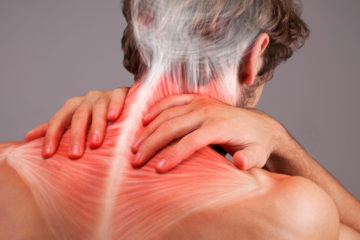
Neck Pain
Almost everyone experiences some form of neck pain, ranging from slightly irritating to completely crippling,…
Learn MoreOther conditions
A physiotherapist can treat most other joints and muscles of the body. They can be particularly helpful with ankle, foot, elbow, wrist, and sports-related injuries — as well as ongoing rehabilitation following fractures, sprains, and surgical procedures.
Physiotherapists
Muscle & Spine's expert staff of physiotherapists in Collingwood. Read more in their bios below.
Muscle & Spine is located within The Shipyards Medical Arts Centre downtown Collingwood